Part of The Backrooms Sound Archive
This article is part of The Backrooms Sound Archive — a Wartonno Sound series about Backrooms ambient music, liminal horror, dark ambient soundscapes, overthinking, and The Quiet Archive.
Explore the full archive.
There are nights when your mind becomes a hallway.
One thought opens into another.
One memory leads to a room you did not mean to enter.
One unfinished sentence keeps glowing under the fluorescent light.
Nothing is chasing you.
And still, you cannot leave.
This is why the Backrooms feeling works so well with dark ambient music. The fear is not always about monsters, shadows, or things moving in the distance. Sometimes the fear is quieter. Sometimes it is the slow realization that the room has no clear exit — and that your own thoughts are beginning to sound like footsteps behind the wall.
Backrooms dark ambient music lives in that space.
It belongs to liminal horror, empty corridors, strange rooms, flickering lights, distant drones, and the emotional pressure of being alone with something unresolved. It is music for places that feel abandoned, but not empty. Music for overthinking nights. Music for the quiet hour when the world has gone still, but your mind keeps walking.
Inside the world of Wartonno Sound, this article belongs to The Quiet Archive: a collection of sounds, reflections, and listening rituals for strange inner rooms, liminal spaces, and minds that do not easily switch off.
The Backrooms are one doorway.
The Quiet Archive is where the sound continues.
Why the Backrooms Feeling Is So Close to Overthinking
The Backrooms are usually described as a maze of empty rooms, yellowed walls, fluorescent lights, old carpet, and endless corridors. But emotionally, the Backrooms are also a perfect metaphor for overthinking.
Overthinking rarely feels like one clear problem.
It feels like a place.
A hallway you keep walking.
A room you keep returning to.
A door you keep checking.
A memory that keeps replaying.
A future you keep rehearsing.
You do not always know what you are looking for. You only know that your mind will not stop moving.
That is why liminal horror connects so naturally to the experience of overthinking. Both create the feeling of being suspended in between. Not fully calm. Not fully afraid. Not moving forward. Not able to return.
The Backrooms feeling is powerful because it turns this inner state into architecture.
The walls are repetitive.
The lights are artificial.
The silence is too large.
Every corridor suggests another corridor.
Overthinking works the same way.
The thought does not end.
It opens another door.
What Makes Dark Ambient Music Fit Liminal Horror?
Dark ambient music does not need to attack the listener.
It surrounds them.
Unlike traditional horror music, which often builds toward a jump scare or a dramatic release, dark ambient music can remain unresolved for a long time. It can hold the listener inside tension without explaining the tension. It can make a room feel awake without showing what is awake inside it.
That is why dark ambient fits liminal horror so well.
Liminal horror is not always about what appears.
It is about what remains.
It is about absence becoming active.
A dark ambient track can create that feeling through:
- low drones
- distant hums
- soft static
- degraded tape texture
- long reverbs
- muted bass pressure
- stretched pads
- slow pulses
- barely audible movement
- room tone
- silence with weight
These sounds create an environment rather than a traditional song. You do not follow a chorus. You enter a space.
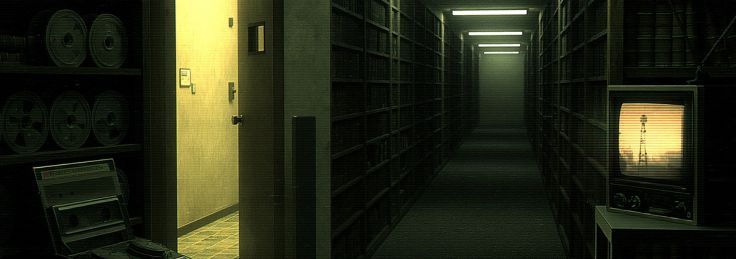
In Backrooms-inspired dark ambient music, the sound often feels like the building itself is breathing. The fluorescent lights hum. The carpet swallows your steps. Somewhere in the distance, a tone continues long after it should have stopped.
The music becomes the room.
Liminal Horror Without the Loudness
A lot of horror is loud.
A door slams.
A scream cuts through the scene.
A sharp sound tells your body to react.
But liminal horror often works best when it stays quiet.
The quiet makes the listener participate. It leaves enough space for the imagination to become active. When nothing obvious is happening, the mind begins to search for meaning.
Was that sound inside the track?
Was it in the room?
Was it behind the door?
Was it only your thought returning?
This is where Backrooms dark ambient music becomes psychologically interesting. It does not always scare by adding more. It scares by removing certainty.
The listener is placed in a strange room with no clear instructions.
That is also why this music can feel strangely calming for some people. Not because it is safe. Not because it is bright. But because it gives the mind a contained darkness. A space where unease can exist without needing to become panic.
It does not fix the overthinking.
It gives the overthinking a room.
The Quiet Archive: A Wartonno Sound Listening Path
The Quiet Archive is the Wartonno Sound way of holding these strange inner rooms.
It is not a literal place.
It is a listening mythology: an archive of sounds for overthinking nights, liminal moods, emotional distance, dark focus, soft unease, and the quiet parts of the mind that are difficult to explain.
In The Quiet Archive, each soundscape can feel like a recovered signal.
A room recorded after everyone left.
A hallway that only appears when the mind is tired.
A transmission from somewhere between thought and sleep.
A small artifact from a place that feels almost remembered.
The Backrooms fit naturally into this world because they already feel like an archive of impossible spaces. Rooms without context. Corridors without origin. Architecture without comfort.
But Wartonno Sound does not use the Backrooms only as horror.
It uses the Backrooms feeling as emotional language.
For the listener, the question becomes:
What if the endless hallway is not outside you?
What if it is the shape your thoughts take at night?
What if dark ambient music can help you walk through it more slowly?
That is the purpose of The Quiet Archive.
Not escape in a loud way.
Not therapy.
Not a promise.
A softer place for the mind to move.
Listen to Overthinking at 3AM, a dark ambient track for late-night thoughts.
Backrooms Music for Overthinking Nights
Backrooms dark ambient music works especially well at night because overthinking often becomes louder when the world becomes quiet.
During the day, the mind has distractions. Work, messages, errands, noise, other people, small obligations. But at night, the room becomes still. The unfinished thoughts begin to return.
This is where music can become a threshold.
Not a cure.
Not a solution.
A threshold.
A dark ambient track gives the mind something slow and spacious to follow. It creates a low-frequency environment where thoughts can loosen their grip slightly. The drones do not demand attention. The textures do not rush the listener. The atmosphere gives the night a shape.
For overthinking nights, Backrooms-inspired music can be useful because it matches the mood without intensifying it too sharply.
It understands the unease.
It does not pretend everything is bright.
It says:
You are in a strange room.
But you do not have to keep opening every door.
A Listening Ritual for Backrooms Dark Ambient Music
Use this ritual when you want to listen to dark ambient music for liminal horror, writing, reflection, or overthinking nights.
1. Choose the room
Before pressing play, choose the kind of room you are entering.
An empty office corridor.
A closed shopping mall.
A hotel hallway after midnight.
A forgotten waiting room.
A quiet bedroom with the lights low.
A room inside your mind that keeps returning.
This gives the music a setting.
2. Lower the light
Liminal music works best when the visual world becomes softer.
Dim your screen. Turn off one bright lamp. Let the space around you become less crowded.
You are not trying to make the room frightening.
You are letting it become quiet enough to hear.
3. Let the first minutes pass without doing anything
Do not start writing, scrolling, or working immediately.
Let the sound arrive first.
Let the drones settle.
Let the hum become part of the room.
Let the silence show you its edges.
4. Begin with one small action
If you are writing: write one paragraph.
If you are drawing: make one shape.
If you are journaling: write one sentence.
If you are simply listening: breathe through one full minute without fixing anything.
The goal is not productivity.
The goal is entry.
5. Close the door slowly
When the track ends, do not immediately replace it with noise.
Let the last tone fade. Let the room become ordinary again. Let the archive close gently.
This is how dark ambient music becomes more than background sound.
It becomes a ritual of return.
For Writers, Artists, and Listeners of Liminal Horror
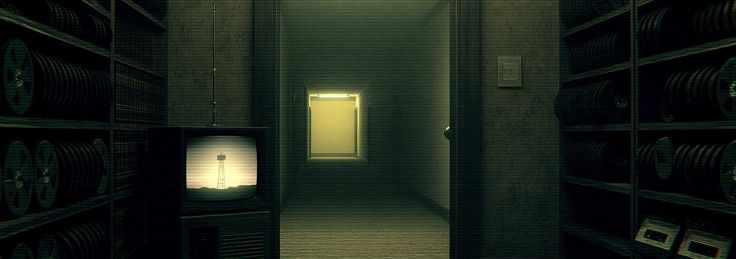
Backrooms dark ambient music is especially useful if you create or consume liminal horror.
It can support:
- writing Backrooms-inspired fiction
- outlining psychological horror
- editing liminal visuals
- creating dark fantasy scenes
- reading horror at night
- building a strange playlist
- designing dreamcore or weirdcore images
- journaling through overthinking
- focusing during late-night creative work
- exploring The Quiet Archive atmosphere
The best dark ambient music does not tell the whole story. It leaves part of the room unlit.
That is useful for creativity because it gives the imagination something to complete.
A bright track fills the room.
A dark ambient track leaves a door open.
How This Connects to the First Two Articles
This article is the third part of The Backrooms Sound Archive series.
The first article focused on the Backrooms and sound itself:
Backrooms Ambient Music: Why Liminal Horror Needs Sound
The second article expanded the subject into liminal spaces more broadly:
Liminal Space Music: A Listening Guide for Empty Rooms, Strange Hallways, and Unquiet Silence
This third article brings the sound closer to Wartonno Sound and The Quiet Archive.
Backrooms.
Liminal horror.
Overthinking.
Dark ambient.
The Quiet Archive.
All of them meet in the same place:
A room that feels empty until you realize your thoughts are still inside it.
A Wartonno Sound Perspective
Wartonno Sound creates dark ambient lofi and liminal soundscapes for people whose minds keep moving after the world becomes quiet.
The music is not designed to dominate the listener. It is designed to create a place.
A place for writing.
A place for focus.
A place for uneasy calm.
A place for the space between thought and sleep.
A place for overthinking to slow its steps.
The Backrooms feeling gives us a visual doorway into this experience. But The Quiet Archive gives us a way to stay with it, soften it, and turn it into a listening practice.
Not every strange room needs to be escaped immediately.
Some rooms ask to be heard first.
Listen Further
If this atmosphere speaks to you, enter the Wartonno Sound listening hub.
Dark ambient lofi, liminal music, Backrooms-inspired atmospheres, and quiet soundscapes for overthinking nights, writing sessions, strange hallways, and rooms inside the mind.
You can also explore the related Dark Lofi Media guide here:
Backrooms Ambient Music – Liminal Horror & Empty Room Sounds
And continue through the full Backrooms Sound Archive series on WartonnoSound.com.
Related Story from The Quiet Archive
Stop Overthinking is connected to Story File QA-001 – The Room After Thinking.
This first entry from The Quiet Archive follows a person who discovers a door in their apartment hallway after midnight. Behind it is a room filled with unfinished thoughts, cassette static, and a calm voice documenting the event as an archive signal.
Read the full story on DarkLofi.com.
Watch the story video on YouTube.
FAQ Section
What is Backrooms dark ambient music?
Backrooms dark ambient music is atmospheric music inspired by empty rooms, fluorescent lights, liminal horror, strange corridors, and the unsettling feeling of being trapped in a place that feels familiar but impossible. It often uses drones, hums, static, long reverbs, and eerie room tone.
Why does Backrooms music work for liminal horror?
Backrooms music works for liminal horror because it creates atmosphere through absence, repetition, and uncertainty. Instead of relying on loud scares, it makes empty rooms and strange hallways feel alive through sound.
Can dark ambient music help with overthinking?
Dark ambient music should not be treated as a cure or medical solution, but it can create a slow, spacious listening environment that some people find useful during overthinking nights. It gives the mind a quiet structure to rest inside.
What is The Quiet Archive?
The Quiet Archive is a Wartonno Sound listening mythology: a collection of dark ambient lofi, liminal soundscapes, and emotional listening rituals for overthinking, focus, sleep-adjacent stillness, and strange inner rooms.
Is Backrooms dark ambient music good for writing?
Yes. Backrooms-inspired dark ambient music can be very useful for writing horror, liminal fiction, psychological stories, urban fantasy, dreamcore scenes, weirdcore visuals, and strange atmospheric worldbuilding.
Is this official Backrooms music?
No. This article is not official or affiliated with the Backrooms film, A24, or Kane Parsons. It is a Wartonno Sound reflection on Backrooms-inspired dark ambient music, liminal horror, overthinking, and The Quiet Archive.