Part of The Backrooms Sound Archive
This article is part of The Backrooms Sound Archive — a Wartonno Sound series about Backrooms ambient music, liminal horror, dark ambient soundscapes, overthinking, and The Quiet Archive.
Explore the full archive.
Some places feel unfinished.
An empty school corridor after closing time.
A hotel hallway at 2:17 in the morning.
A waiting room where the lights are still on, but no one is coming.
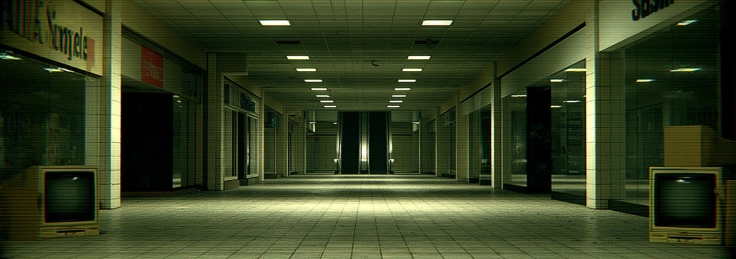
An abandoned mall with music still playing somewhere behind the ceiling.
Nothing is chasing you.
And still, the space feels aware.
That is the strange emotional power of liminal spaces. They are not simply empty. They feel paused. Suspended. Held between what they used to be and what they are becoming.
Liminal space music tries to give that feeling a sound.
It is not always frightening in an obvious way. It does not always use screams, impact hits, or dramatic horror strings. Sometimes it uses a low drone, a distant fluorescent hum, a soft layer of tape hiss, or a melody that seems to remember something you cannot name.
It is music for empty rooms.
Music for strange hallways.
Music for the places inside the mind that are quiet, but not completely safe.
For Wartonno Sound, liminal space music sits close to the heart of the archive: dark ambient lofi, dreamlike stillness, quiet dread, emotional reflection, and soundscapes for minds that keep moving after the world becomes silent.
This is not music that tries to explain the room.
It lets you stand inside it.
What Is Liminal Space Music?
Liminal space music is atmospheric music inspired by places that feel transitional, abandoned, familiar, dreamlike, or psychologically strange.
The word “liminal” means being on a threshold. Between one state and another. Not fully here, not fully there.
A liminal space might be:
- an empty office corridor
- a school hallway after hours
- an abandoned mall
- a hotel hallway
- an airport terminal at night
- a parking garage
- a waiting room
- a swimming pool with no swimmers
- a stairwell with fluorescent lights
- a childhood room that no longer belongs to you
Liminal space music tries to capture the feeling these places create.
Not just fear.
Something softer and stranger than fear.
A mix of nostalgia, unease, loneliness, memory, and stillness.
This is why liminal music often overlaps with dark ambient, drone, lofi ambient, dreamcore, weirdcore, analog horror ambience, and Backrooms-inspired music.
It does not always sound like a song. Sometimes it sounds like the room itself has started to speak.
If this atmosphere speaks to you, explore the Wartonno Sound listening hub; dark ambient lofi, liminal music, and quiet soundscapes for overthinking nights, writing sessions, and strange rooms inside the mind.
Why Empty Rooms Feel So Strange
An empty room is not always peaceful.
Sometimes an empty room feels like it is waiting.
This is because rooms are designed for human presence. Offices are made for work. Schools are made for students. Malls are made for shoppers. Hotels are made for temporary lives passing through. Waiting rooms are made for anticipation.
When those spaces are empty, their purpose remains – but the people are gone.
That absence creates tension.
The mind notices the mismatch.
The lights are on, but no one is there.
The hallway continues, but no destination feels clear.
The carpet holds old footsteps.
The air feels used.
The silence feels too large.
Liminal space music gives sound to that mismatch.
It might use a faint electrical hum to suggest fluorescent lighting. It might use long reverb to make the room feel larger than it should be. It might use tape hiss to create the feeling of old footage, forgotten memory, or a place recorded by something that should not have been watching.
The result is not just atmosphere.
It is emotional architecture.
The Sound Palette of Liminal Space Music
Liminal space music often works by staying restrained.
It does not need to overwhelm the listener. In fact, it often becomes stronger when it does less.
Common sounds include:
- low drones
- soft analog pads
- muffled room tone
- distant piano notes
- slowed tape textures
- electrical hums
- reverb-heavy synths
- air-conditioning noise
- faraway metallic sounds
- subtle static
- degraded cassette or VHS texture
- barely-there melodies
- soft bass pressure
- long pauses
- silence that feels intentional
The silence is important.
In liminal space music, silence is not empty. It is active. It gives the listener room to imagine what might be beyond the door, around the corner, or just outside the frame.
A normal song tells you where to look.
Liminal space music lets your attention wander.
That wandering is where the unease begins.
Liminal Space Music and the Backrooms Feeling
The Backrooms helped many people recognize a feeling they already knew.
The endless hallway.
The yellowed walls.
The old carpet.
The fluorescent light.
The sense of being trapped in a place that looks ordinary but feels impossible.
But the Backrooms are only one expression of a wider emotional landscape.
Liminal space music can be connected to the Backrooms, but it also goes beyond them. It belongs to empty stations, forgotten bedrooms, after-hours offices, quiet stairwells, and abandoned places that seem to exist just outside normal time.
In the first article of The Backrooms Sound Archive, I explored why Backrooms ambient music needs sound: fluorescent hums, distant drones, empty room tone, and the strange silence of places that feel almost familiar.
You can read that article here:
Backrooms Ambient Music: Why Liminal Horror Needs Sound
This second article moves one step wider.
From the Backrooms into liminal space itself.
Because the real subject is not only a fictional maze.
It is the feeling of standing inside a threshold.
Dreamcore, Weirdcore, and the Sound of Almost-Memory
Liminal space music often overlaps with dreamcore and weirdcore because all three deal with unstable familiarity.
Dreamcore often feels soft, surreal, nostalgic, and slightly unreal. It can feel like childhood memory seen through fog. The music may use gentle pads, detuned keys, soft reverb, and floating melodies that feel half-asleep.
Weirdcore is often more distorted. More digital. More uncanny. It may use glitch, degraded samples, strange loops, visual or sonic discomfort, and surreal emotional contrast.
Liminal space music can sit between them.
It can be beautiful without being comfortable.
It can be nostalgic without being safe.
It can be quiet without being peaceful.
That is the emotional zone where Wartonno Sound often lives.
Not pure horror.
Not pure relaxation.
A place between unease and stillness.
A room inside the mind where something has gone quiet, but not disappeared.
Why Liminal Space Music Works for Writing and Focus
Many people use liminal space music for writing, reading, studying, and late-night creative work.
This may seem strange at first. Why use eerie ambient music for focus?
Because liminal music often avoids strong rhythmic distraction. It creates mood without demanding too much attention. It surrounds the task instead of interrupting it.
For writers, it can help create a fictional atmosphere.
For visual artists, it can open a mood.
For readers, it can deepen a scene.
For overthinkers, it can give the mind a strange but steady room to move through.
Liminal space music is useful for:
- writing horror fiction
- writing urban fantasy
- reading dark fantasy
- studying with eerie focus
- building playlists for creative work
- editing photos or videos
- worldbuilding
- journaling at night
- creating dreamcore or weirdcore visuals
- exploring Backrooms-inspired ideas
- sitting quietly when your thoughts feel too loud
It is not “productivity music” in the bright, corporate sense.
It is more like a dim hallway where your thoughts can walk without being rushed.
A Listening Ritual for Liminal Space Music
Try this the next time you want to use liminal space music for writing, focus, or quiet unease.
Do not treat it like background noise immediately.
Give it a small ritual.
1. Choose the room
Pick the emotional room you want to enter.
Is it an empty office?
A late hotel hallway?
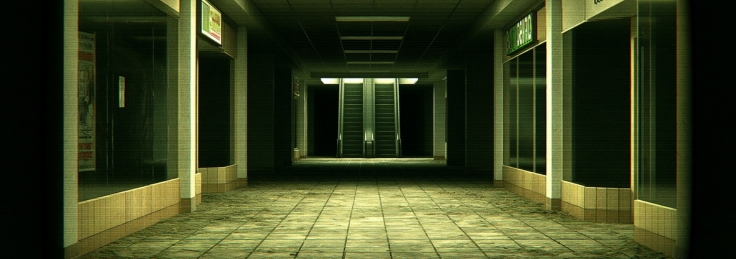
An abandoned mall?
A quiet bedroom after midnight?
A place that feels like childhood, but wrong?
This helps the music become a setting.
2. Lower the visual noise
Dim the screen if you can. Close a few tabs. Remove one distraction.
Liminal music works best when the world becomes slightly less crowded.
3. Let the first three minutes do nothing
Do not rush into work immediately.
Let the track establish the room. Let the drones settle. Let the silence arrive.
4. Begin with one small task
Write one paragraph.
Edit one image.
Read one page.
Make one note.
Do not demand a whole transformation.
Just enter the hallway.
5. Leave slowly
When the music ends, do not immediately fill the space with noise.
Let the room close behind you.
This is the difference between using ambient music as decoration and using it as a threshold.
A Wartonno Sound Perspective
For Wartonno Sound, liminal space music is not only an aesthetic.
It is a way of giving shape to inner states.
Overthinking can feel like an endless hallway.
Grief can feel like a room where time stopped.
Creative doubt can feel like an empty office after everyone has left.
Insomnia can feel like fluorescent light inside the mind.
Dark ambient lofi and liminal music allow these feelings to exist without forcing them into simple answers.
The goal is not to solve the room.
The goal is to stay with it long enough for your breathing to change.
This is why liminal space music belongs inside The Backrooms Sound Archive, but also inside the wider Wartonno Sound world.
The Backrooms are one doorway.
Liminal music is the larger map.
Listen Further
If you want to go deeper into Backrooms-inspired ambient music, start with the first article in this series:
Backrooms Ambient Music: Why Liminal Horror Needs Sound
You can also explore the related Dark Lofi Media guide here:
Backrooms Ambient Music – Liminal Horror & Empty Room Sounds
And if this atmosphere speaks to you, enter the Wartonno Sound listening hub:
Dark ambient lofi, liminal music, and quiet soundscapes for overthinking nights, writing sessions, strange hallways, and rooms inside the mind.
FAQ Section
What is liminal space music?
Liminal space music is atmospheric music inspired by empty, transitional, familiar-but-strange places such as abandoned malls, hotel corridors, office hallways, waiting rooms, and dreamlike rooms. It often uses drones, reverb, soft static, dark ambient pads, and empty room ambience.
Is liminal space music the same as Backrooms music?
Not exactly. Backrooms music is a specific type of liminal space music inspired by the Backrooms aesthetic. Liminal space music is broader and can include empty malls, strange hallways, abandoned schools, quiet hotels, dreamcore scenes, weirdcore visuals, and other in-between places.
What genres fit liminal space music?
Common genres include dark ambient, drone, lofi ambient, cinematic ambient, horror ambience, dreamcore music, weirdcore music, analog horror music, and experimental soundscape music.
Why does liminal space music feel eerie?
It feels eerie because it often uses familiar sounds in unfamiliar ways. Fluorescent hums, room tone, distant drones, and long reverbs suggest places that should contain people, but do not. This creates a sense of absence, memory, and unease.
Can I use liminal space music for writing?
Yes. Liminal space music is especially useful for writing horror, urban fantasy, psychological fiction, dreamlike scenes, Backrooms-inspired stories, and dark atmospheric worldbuilding.
Is liminal space music relaxing?
It can be, but not in a bright or traditional way. Liminal space music is often calming because it is slow and spacious, but it may also feel strange, eerie, nostalgic, or emotionally unsettling.